




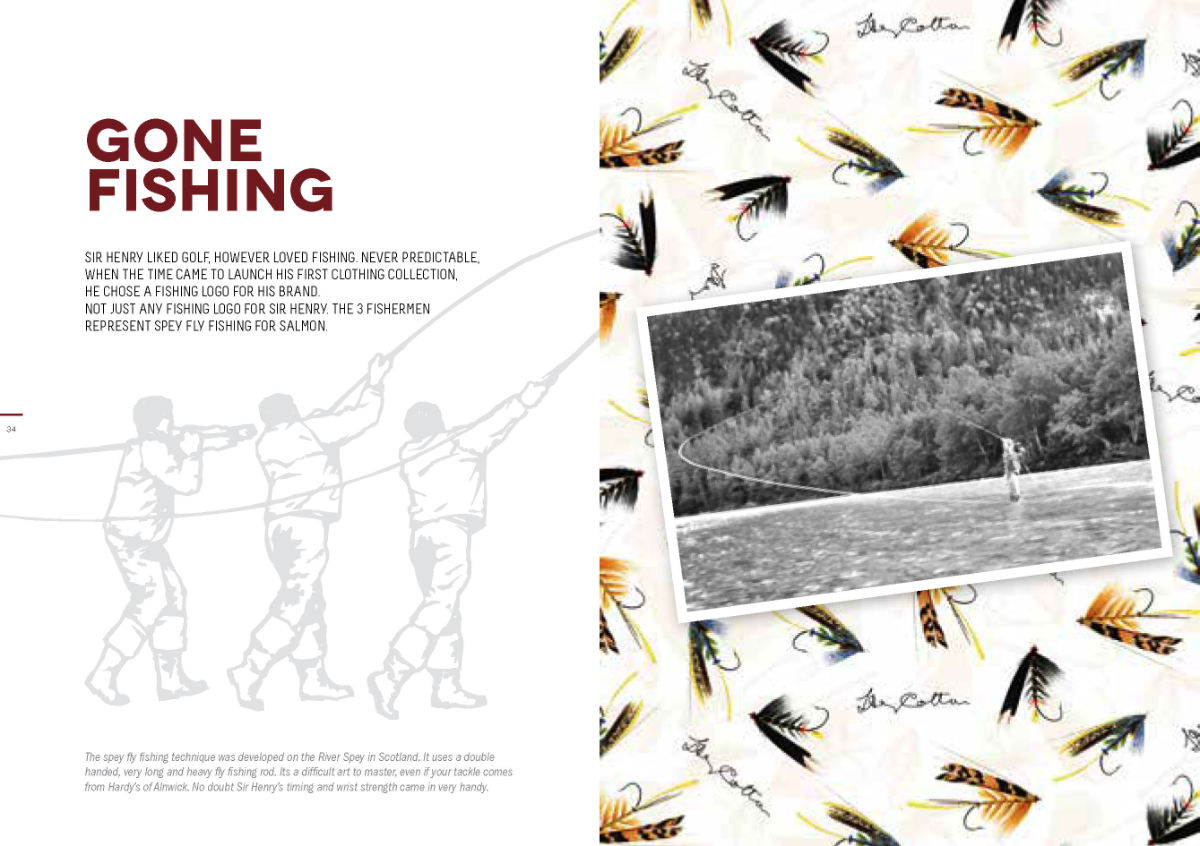
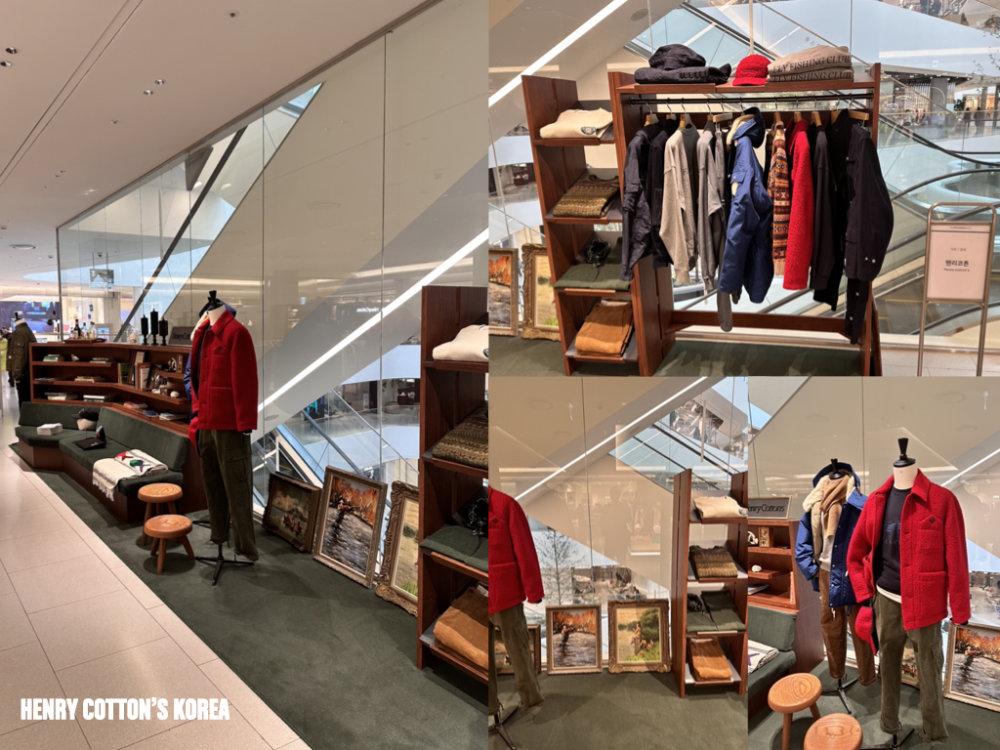

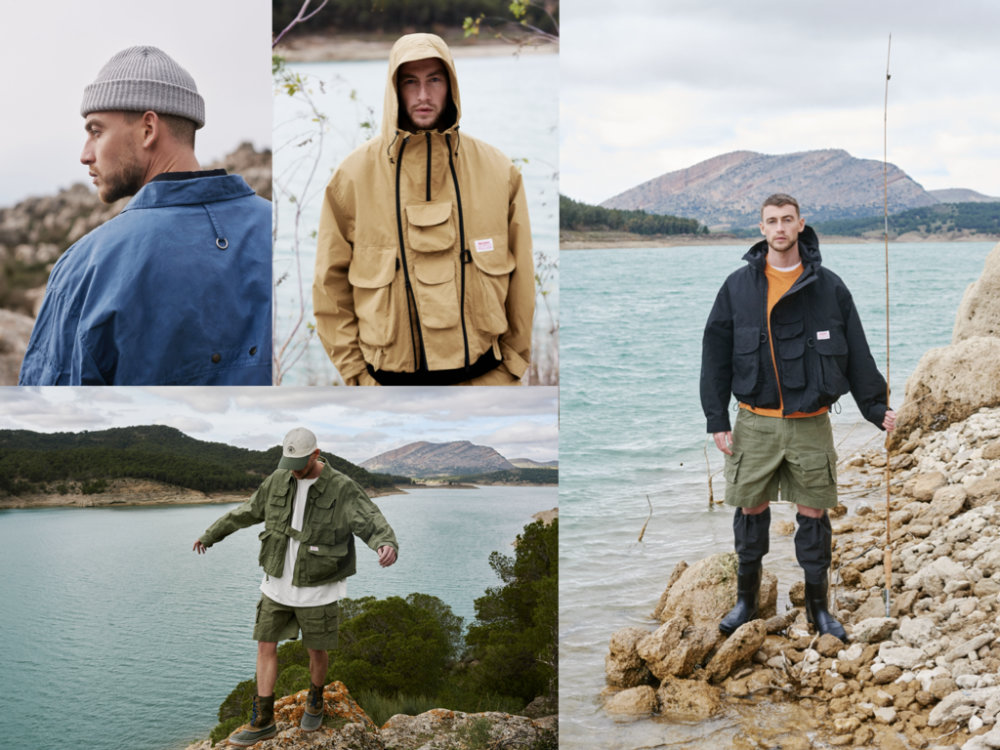
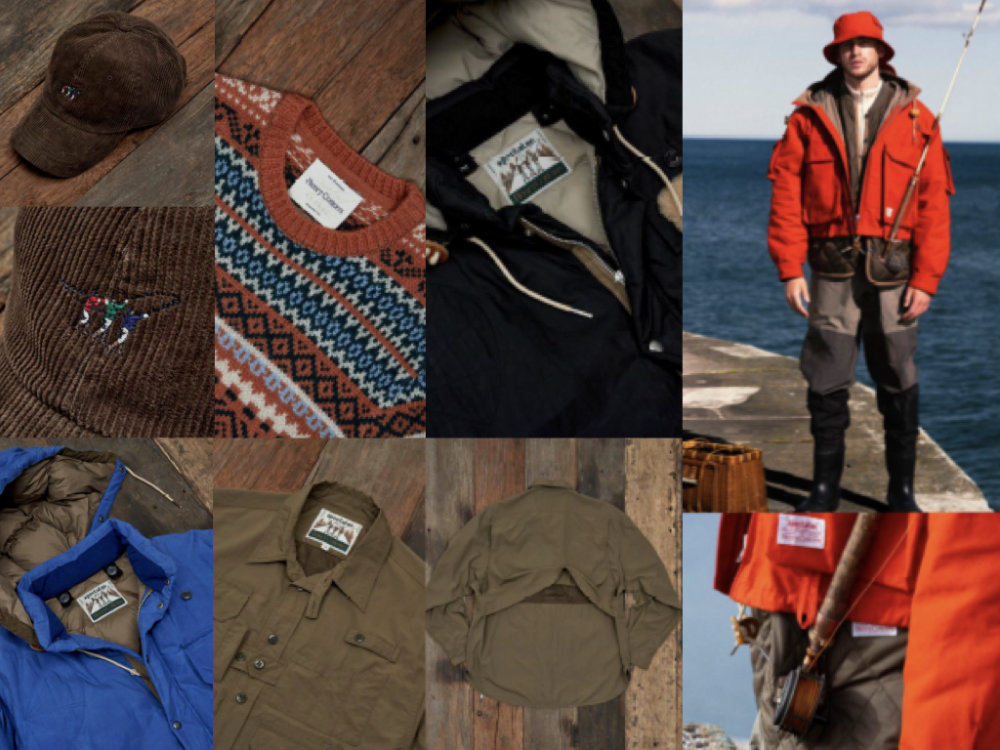

Brand acquired and launched in Italy by Stefano Durelli, a creative genius who belonged to the “Bel Mondo” of St Tropez, Zermatt etc., and had a natural & intuitive connection with Sir Henry. Its distinctive logo, the “three fishermen” (Spey casting is a technique used in fly fishing – it was a passion of Sir Henry’s, and the logo actually depicts a fisherman at three different stages of Spey casting), is an enduring link to the brand, the man and his desire to be remembered for having lived a multi-dimensional sporting lifestyle
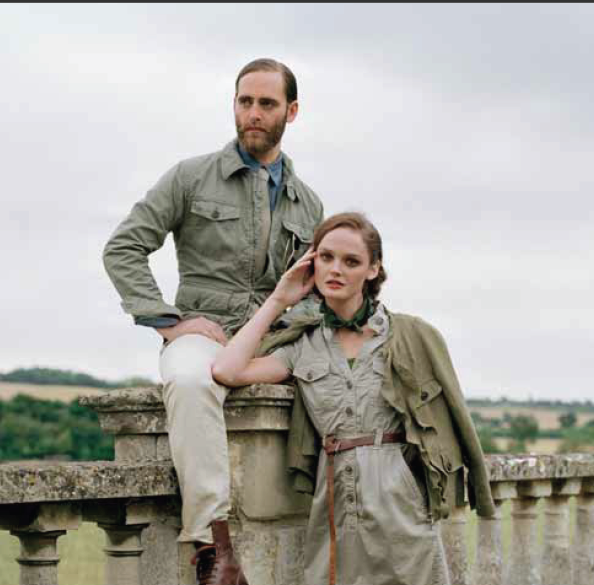
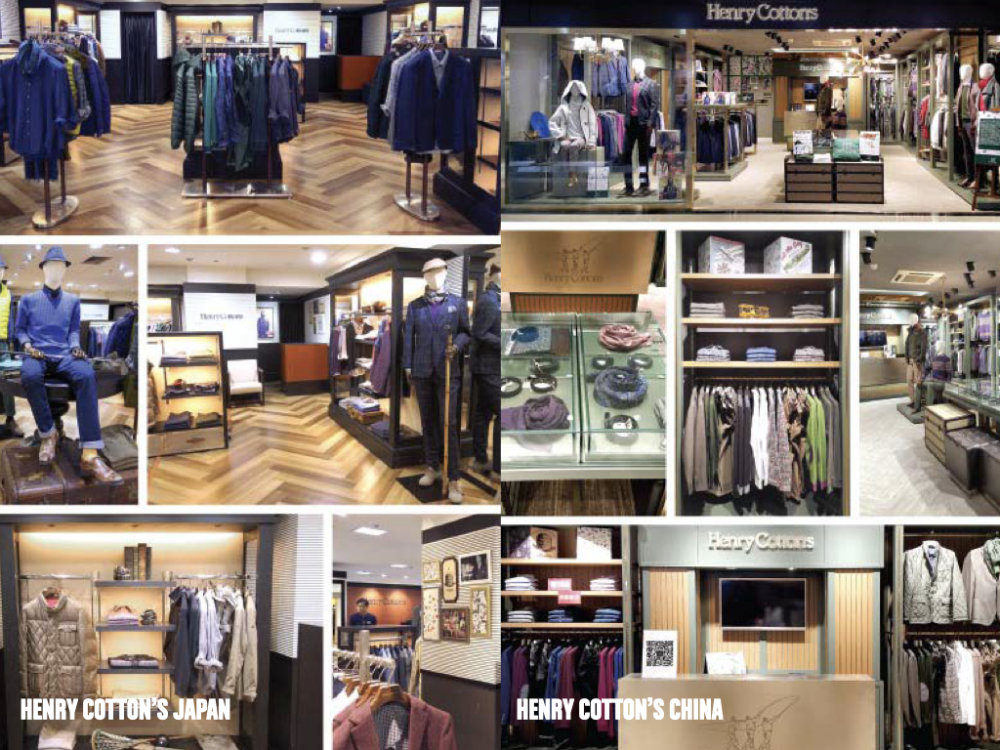
The Henry Cotton’s brand expands into womenswear and also internationally (Japan is an early and important market, in partnership with the Renown Group)
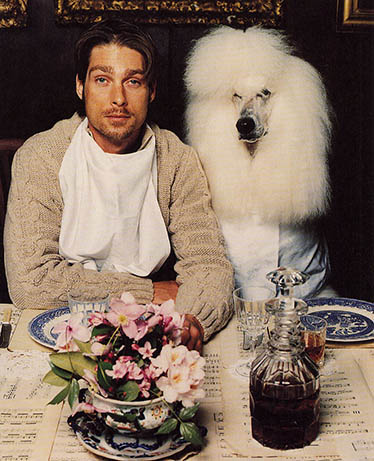
The brand is acquired by what later came to be known as the Moncler Group
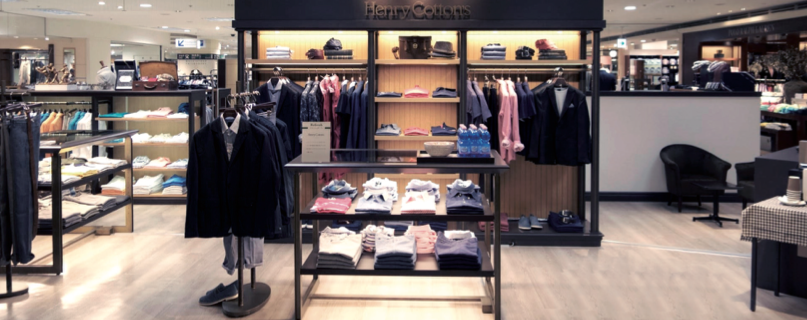
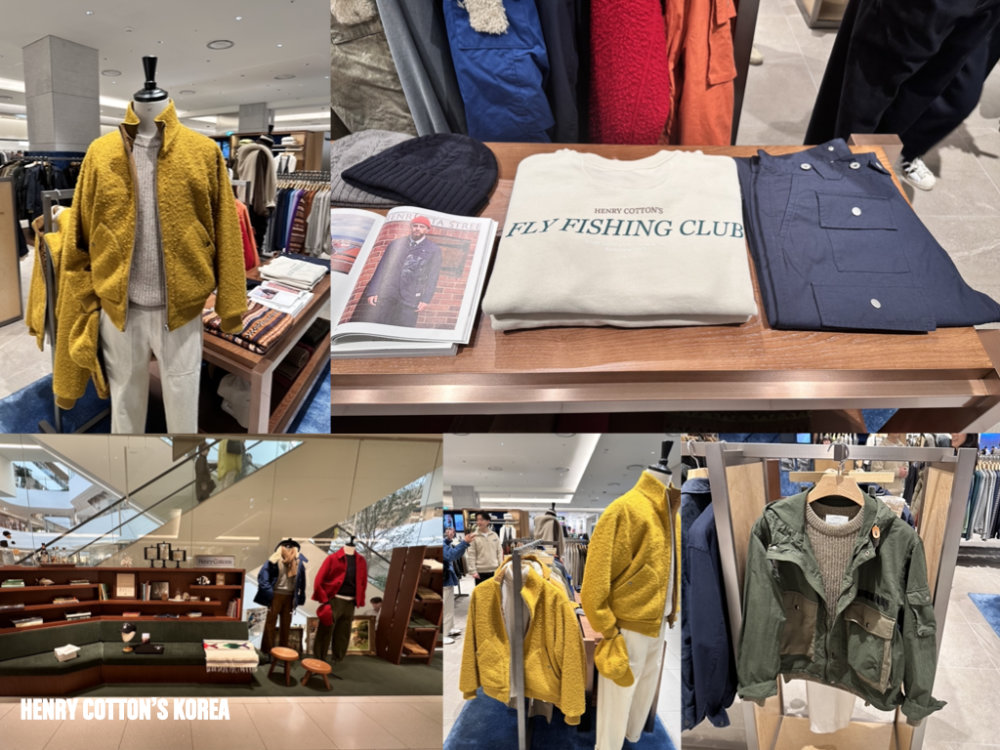
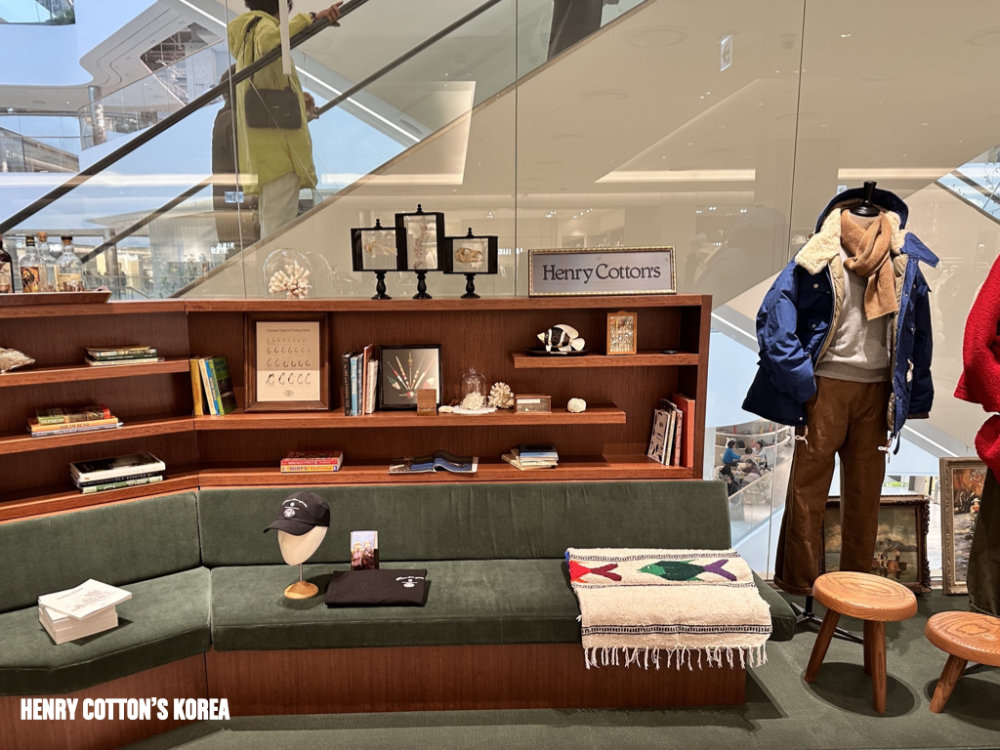
Launched in the Korean market with a menswear collection through licensing partner, Kolon Industries
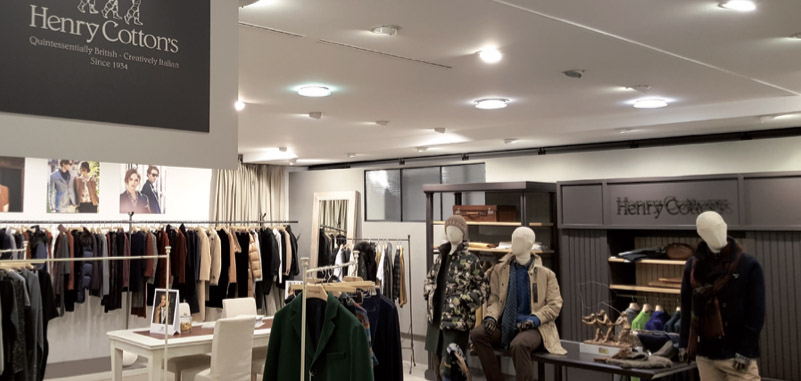
Distribution covers Italy, France, Greece, Russia, Slovenia, Croatia, Scandinavia, Baltics, Portugal, Spain, Netherlands, Switzerland, Germany, Austria, Middle East, Japan, Korea and other countries, with more than 1,000 points of sale

Henry Cotton’s is acquired by Emerisque Group, an international private equity investor
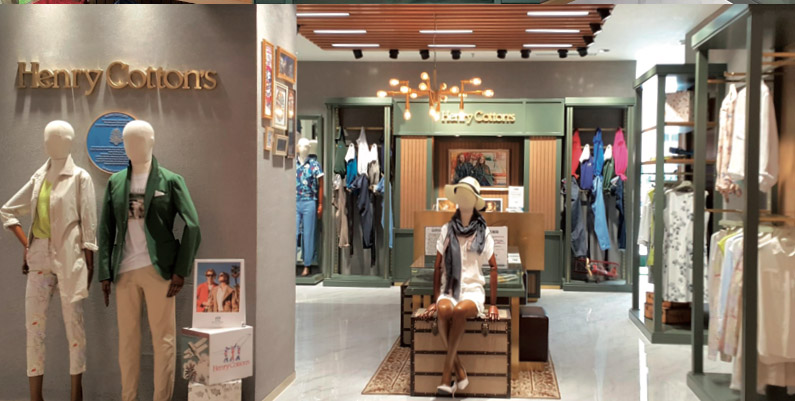
Henry Cotton’s enters China

New category launches – childrenswear, footwear, formal shirts, golf, intimate apparel, fragrances & personal care products and accessories

Emerisque Group adopts licensing-only model
